
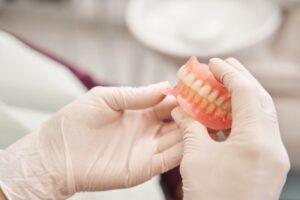
Dentures are a common and effective solution for replacing missing teeth, but many people wonder how they may impact overall health, especially nutrition. Since chewing is the first step of digestion, changes in your ability to bite and chew can influence the foods you eat and how well your body absorbs nutrients. So, do dentures affect your nutrition? The answer depends on the type of dentures you wear and how well they fit.
How Dentures Can Change the Way You Eat
Traditional removable dentures don’t function exactly like natural teeth. They can shift or feel unstable, making it harder to chew tough, crunchy, or sticky foods. As a result, some denture wearers avoid foods like raw vegetables, nuts, seeds, and lean meats. While these foods are often difficult to chew with dentures, they’re also rich in essential nutrients such as fiber, protein, vitamins, and minerals.
Nutritional Risks Linked to Denture Use
Avoiding certain foods can lead to nutritional deficiencies over time. A diet lower in fruits, vegetables, and protein may increase the risk of weight loss, digestive issues, and deficiencies in nutrients like iron, calcium, and vitamin B12. Poorly fitting dentures can also cause sore spots, further limiting food choices and discouraging proper chewing.
The Role of Denture Fit and Type
Well-fitting dentures make a significant difference. Dentures that are loose or worn can reduce chewing efficiency by up to half compared to natural teeth. Implant-supported dentures, on the other hand, provide much greater stability and allow for stronger biting and chewing. This improved function makes it easier to enjoy a wider variety of nutritious foods.
Regular dental visits are essential to ensure dentures fit properly and are adjusted as your mouth changes over time.
Tips for Maintaining Good Nutrition With Dentures
Denture wearers can maintain a balanced diet with a few adjustments. Cutting food into smaller pieces, cooking vegetables until tender, and choosing softer protein options like fish, eggs, and beans can help. Incorporating smoothies, soups, and nutrient-dense soft foods ensures you’re still getting essential vitamins and minerals.
It’s also important to stay hydrated and chew slowly using both sides of the mouth for better balance and control.
Dentures can affect nutrition, but they don’t have to. With proper fit, good oral care, and thoughtful food choices, denture wearers can maintain a healthy, well-balanced diet. If you’re struggling to eat comfortably or noticing changes in your nutrition, talk to your dentist about adjustments or alternative options to support both your smile and your overall health.
About the Practice
Are you one of the millions of Americans who have experienced tooth loss and are looking for a solution to replace them? Turn to Meadowvale Family Dentistry for dentures! You’ll love our beautiful, highly functional prosthetics, and we can do traditional dentures or implant dentures for a long-lasting, snug fit. When it comes to our staff, we have a caring and empathetic team that’s focused on your needs and goals. Go ahead and schedule your appointment online or call (905) 821-0011.